Short answer: a collar can provide visible contact information, but it is not automatically safe just because it is sold for cats. If you choose one, use a cat-specific quick-release collar, fit it so two fingers sit comfortably underneath, keep attachments light, and inspect the fit and release regularly. A registered microchip remains the more reliable permanent identifier; a collar tag is the visible backup, not a replacement for the chip.
There is no need to turn this into a debate about whether every cat must wear a collar. The practical question is narrower: if this individual cat wears one, does the design, fit, and identification plan reduce more risk than it adds?
Start with the release, not the colour
The RSPCA Knowledgebase guidance on cat collars recommends a quick-release breakaway clip. The buckle is designed to open when the collar is caught and pulled with force, reducing the chance that a cat remains trapped. The same guidance advises against fixed non-stretch buckles and elastic collars because a cat can catch a leg or lower jaw through a collar or snag it on an object.
Test a new quick-release buckle with your hands before putting it on the cat. It should separate when pulled firmly and reconnect cleanly. A decorative buckle that only looks like a safety clip is not enough. Re-test the mechanism during routine checks because dirt, damage, and wear can change how it works.
Use the two-finger fit as a starting check
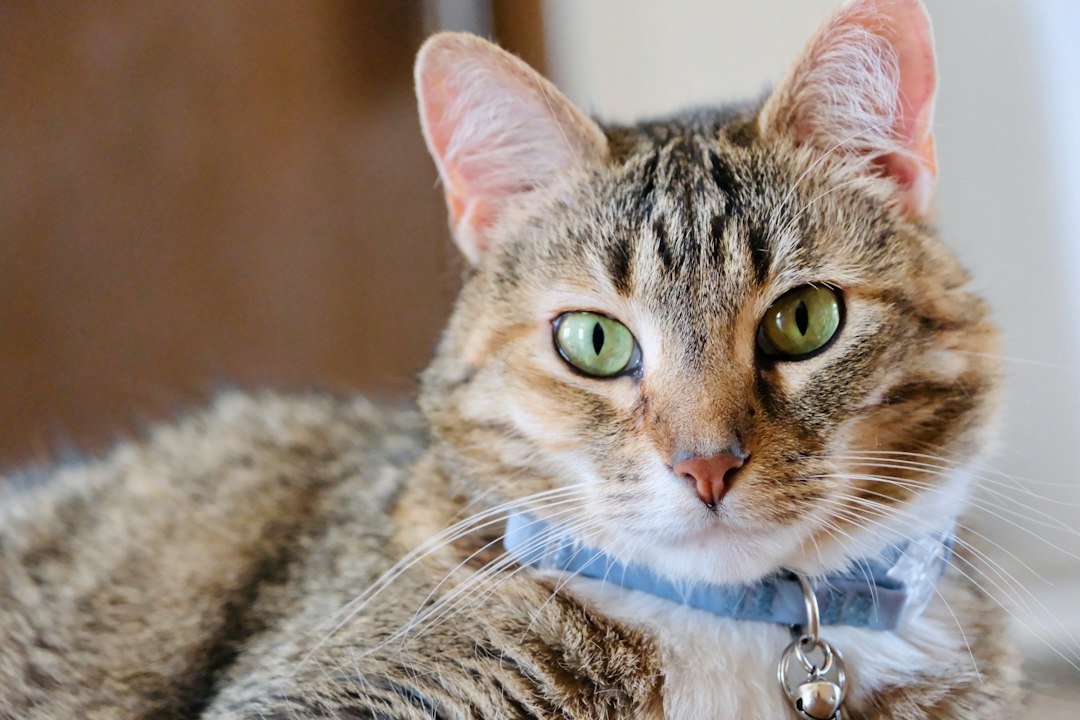
Cats Protection’s fitting guidance says two fingers should fit comfortably under the collar. Too tight can cause discomfort or skin problems; too loose creates room for a leg or jaw to slip underneath. Thick fur can make the gap look smaller than it is, so slide your fingers down to the collar rather than judging from the coat surface.
- Adjust the collar indoors while the cat is calm and free to move away.
- Place two fingers flat between the collar and neck. They should fit comfortably without forcing a gap.
- Check that the collar cannot slide over the jaw or hang low enough for a front leg to enter.
- Recheck after a few minutes. A cat may hunch or hold the neck differently during the first fitting.
- Inspect the skin, fur, buckle, stitching, tag, and fit at least weekly—and sooner if the cat is growing, gaining or losing weight, or scratching at the neck.
Fit is an ongoing observation, not a one-time measurement. Our guide to brushing according to coat and tolerance includes a useful reminder to notice tangles, skin changes, and handling comfort rather than following a calendar alone.
Compare the common options
| Option | Main benefit | Main limitation | Practical decision |
|---|---|---|---|
| Quick-release cat collar with a light ID tag | Visible contact details and a release point if snagged | Can be lost; safety depends on fit and a working buckle | The preferred collar type when a cat wears one |
| Fixed-buckle collar | Less likely to fall off | May not release if caught | Avoid for routine cat identification |
| Elastic or partly elastic collar | May stretch | A leg or jaw can still become trapped; elastic can deteriorate | Do not treat stretch as a substitute for quick release |
| Microchip only | Permanent identification that cannot fall off | A finder needs access to a scanner; contact details must be registered and current | Essential permanent layer, but not immediately visible |
| Quick-release collar plus registered microchip | Immediate contact details plus permanent backup | Both records still require maintenance | The most complete identification plan when a collar suits the cat |
Keep the tag useful and the load light
The ID attachment should provide a current phone number that a finder can use quickly. Add a second number if it is genuinely monitored. Check that engraving remains readable and update the tag when a number or address changes.
A tag, bell, tracker, or decoration adds weight and changes how the collar moves. Blue Cross advises keeping extras small and light and checking that they do not interfere with the quick-release function or the cat’s natural movement. Before adding another attachment, ask whether it solves a real problem and whether the release still works with everything fitted.
A collar does not replace a microchip
The Feline Veterinary Medical Association position statement supports permanent microchip identification for all cats, regardless of lifestyle. A collar can detach, but an implanted chip cannot be lost in the same way. The American Veterinary Medical Association’s microchip FAQ also explains why the two methods complement each other: a visible tag lets a finder call immediately, while a registered chip remains available when a collar is missing.
A chip helps only when its registration connects to current contact information. Confirm that the chip is registered, save the registry details, and update them after a move or phone-number change. Ask your veterinary clinic how and when it checks chip readability during routine care.
Introduce the collar without turning it into a struggle
Choose a quiet indoor moment. Let the cat investigate the collar, fit it without chasing or pinning, then observe normal movement. Brief attention to a new object can be expected, but repeated panic, rolling, frantic scratching, open-mouth breathing, or a jaw or leg caught under the collar means stop and remove it safely. Do not punish the cat or repeatedly refit a collar during distress.
If the cat already dislikes neck handling, work on calm, very short touch before attempting a full fitting. The consent-pause method in Why Does Your Cat Bite During Petting? can help you notice early tension and end before the cat must escalate.
A completed example: one week of collar checks
This is a hypothetical example, not an account of Ruby, Loki, or Coco. A caregiver is considering a collar for an adult indoor cat named Milo because contractors will be opening the front door during a renovation. Milo is already microchipped.
| Check | What the caregiver observes | Decision |
|---|---|---|
| Before fitting | The cat-specific buckle opens under a firm hand pull; the phone number on the light tag is current | Proceed to an indoor fitting |
| Two-finger fit | Two fingers fit comfortably; the collar does not slide over the jaw | Observe freely rather than tightening “just in case” |
| After five minutes | Milo walks, eats, and grooms normally; the collar remains in position | Keep it on during supervised indoor observation |
| Next day | No redness, hair loss, dampness, or repeated scratching under the collar | Continue, with daily visual checks at first |
| One week | The buckle still releases, stitching is intact, fit is unchanged, and the tag is readable | Move to a regular weekly check and recheck after any weight or coat change |
Remove the collar and reassess when something changes
Remove the collar if it is damaged, if the release no longer works, if the fit changes, or if you find redness, swelling, sores, damp fur, hair loss, or repeated scratching underneath. If a leg or jaw has become trapped, the skin is broken, swelling is present, breathing is affected, or the cat seems painful or unusually quiet, contact a veterinarian promptly instead of simply trying a different collar.
A change in body weight can also change collar fit. Use the same scale and method over time with our home weight-trend guide, and treat an unexplained weight change as a reason for veterinary advice rather than only adjusting the collar.
The practical takeaway
If a collar suits your cat, choose a genuine quick-release design, use the two-finger fit, keep the ID light and current, and test the whole setup regularly. Pair it with a registered microchip. The safest plan is not the collar that stays on at any cost—it is the identification system that remains useful even when a safety collar does exactly what it is meant to do and comes off.
Sources and further reading
- RSPCA Knowledgebase: What Type of Cat Collar Should I Use?
- Cats Protection: Choosing a Cat Collar
- Blue Cross: Cat Collars—Types and Safety
- Feline Veterinary Medical Association: Microchip Identification of Cats
- American Veterinary Medical Association: Microchipping FAQs for Pet Owners
Sources checked November 4, 2026. This independent educational article was not individually reviewed by a veterinarian and does not replace veterinary advice.
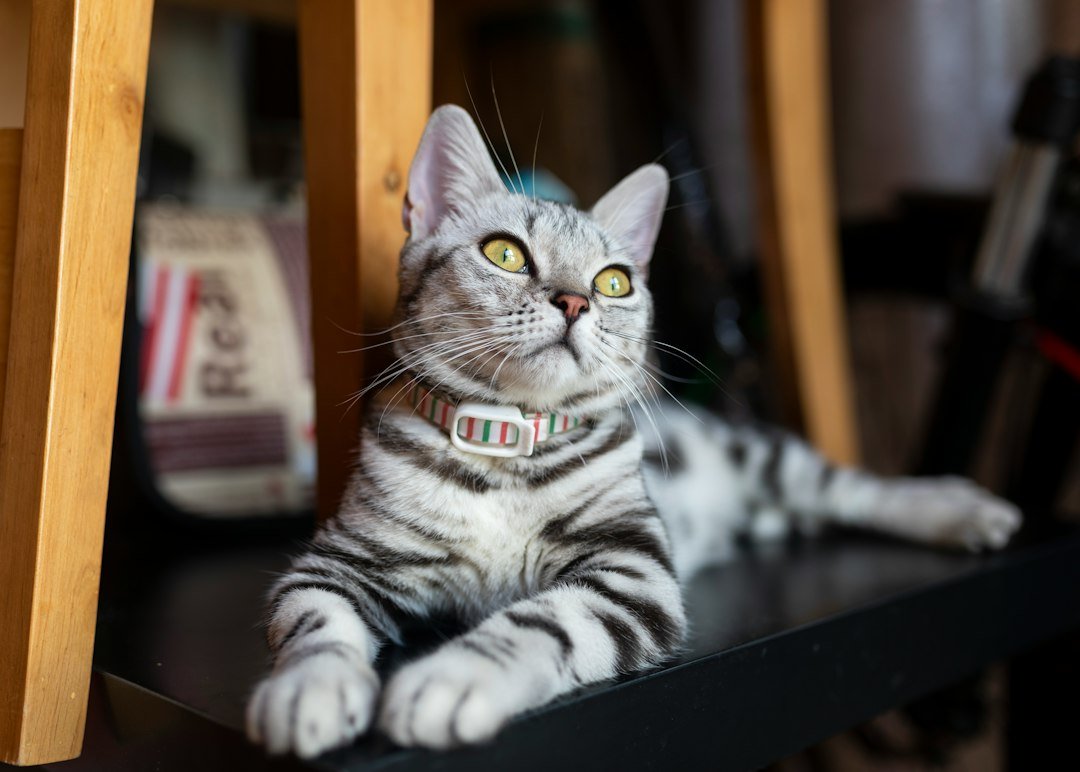
Featured image: grey tabby wearing a red collar. Illustrative stock photo—not Ruby, Loki, or Coco. Photo: Alicia Christin Gerald / Unsplash License.