For a healthy cat, change food gradually over at least three days; a seven-day plan gives you more time to see what the cat actually eats. Offer the old and new foods in separate bowls rather than hiding the new food in the old one. WSAVA notes that many cats reject foods mixed together, and a sudden switch can lead to vomiting or diarrhoea.
The schedule is only the starting point. Move forward when your cat is eating enough, stools remain normal and there is no repeated vomiting. If the new food is therapeutic, your cat has a health condition, or appetite is already reduced, use the transition plan provided by your veterinarian instead of this general example.
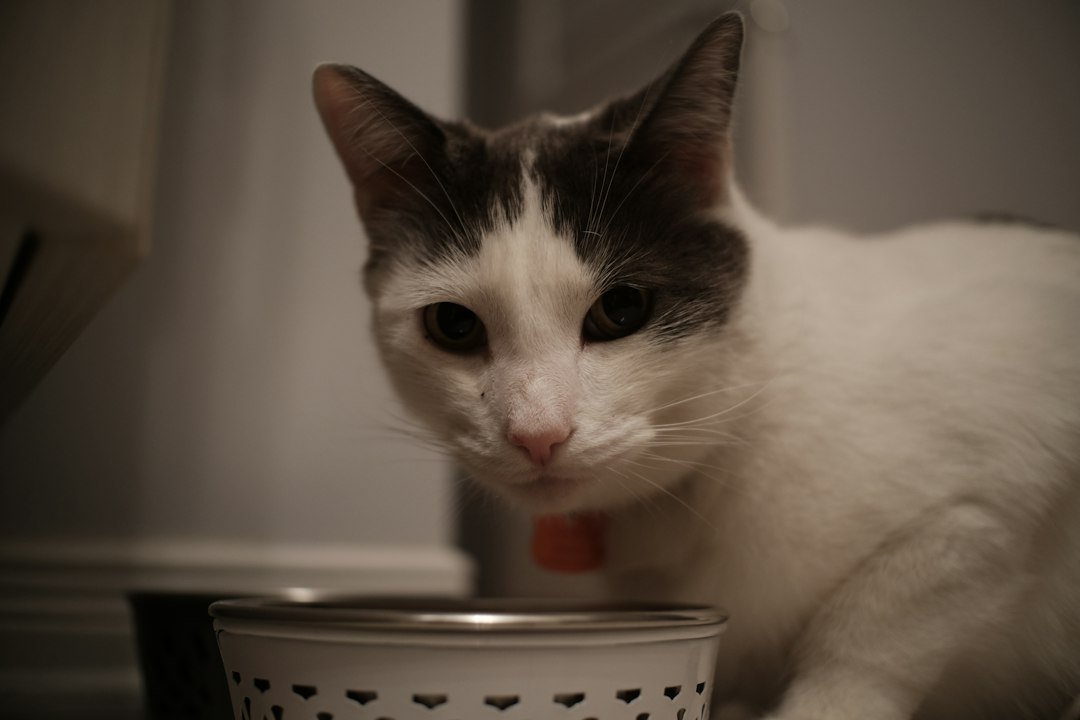
Why separate bowls can be better than mixing
WSAVA’s food-transition guidance gives a minimum three-day progression for healthy pets—75% old food and 25% new, then 50/50, then 25/75 before moving to the new food alone. It adds a cat-specific detail: offer the foods in completely separate bowls because some cats refuse a mixed meal.
Separate bowls answer questions that a blended meal cannot. Did the cat ignore the new smell but finish the familiar food? Did the cat take two bites of the new texture, then return to the old one? Did another cat eat the “test” bowl? Record those observations rather than labelling the cat stubborn.
Keep the two bowls in the same calm feeding area, with enough space to inspect each one. In a multi-cat home, supervise or feed separately so you know which cat ate which food. Our multi-cat resource guide explains why separate feeding locations matter even when cats usually get along.
A practical seven-day transition
This schedule deliberately stretches WSAVA’s minimum over a week. The percentages describe the share of the cat’s daily calories offered from each food—not equal scoops. Two foods can contain different calories per gram, cup, can or pouch, so check both labels first with our cat-food label worksheet.
| Days | Old food offered | New food offered | Decision before the next step |
|---|---|---|---|
| 1–2 | 75% of daily calories | 25% of daily calories | Did the cat eat the usual total amount and tolerate the new option? |
| 3–4 | 50% | 50% | Is appetite steady, with no repeated vomiting or diarrhoea? |
| 5–6 | 25% | 75% | Is the cat choosing and eating enough of the new food? |
| 7 onward | 0% | 100% | Continue observing appetite, stool and weight trend. |
Do not “wait out” a cat who refuses the new food by removing every acceptable option. FelineVMA guidance warns against starving a cat into eating a particular food. The goal is a safe transition, not winning a contest over the bowl.
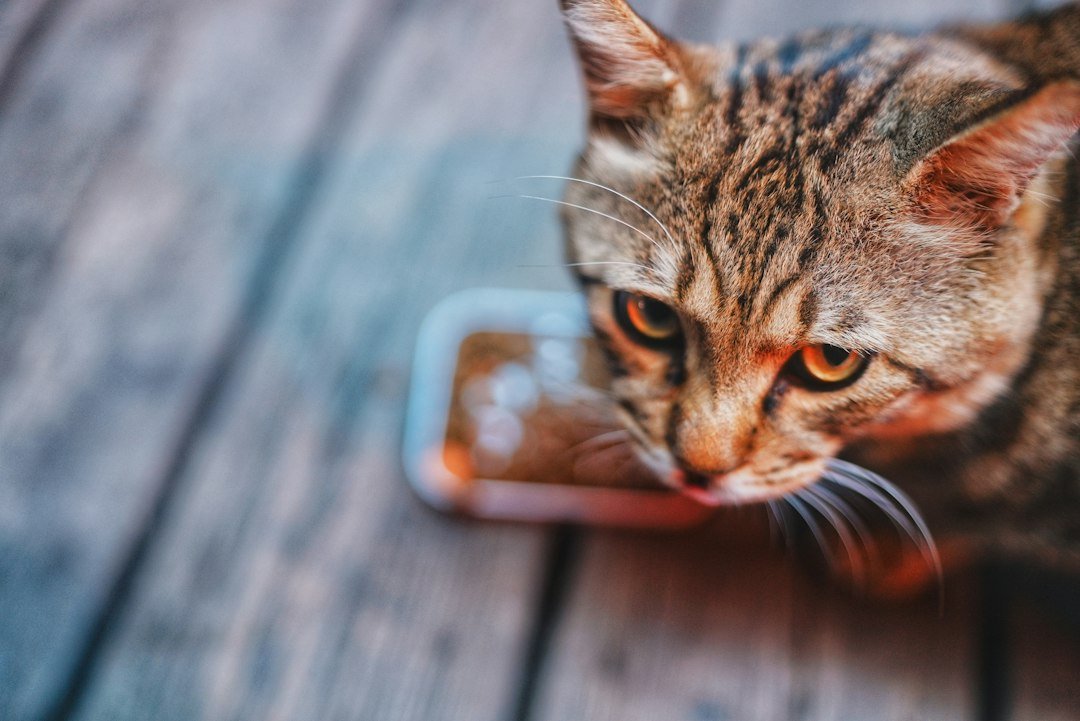
Completed example: calculate calories before grams
This is a hypothetical calculation, not Ruby’s diet and not a recommendation for your cat. Imagine a veterinarian has set an adult cat’s daily target at 200 kcal. The old dry food supplies 4 kcal per gram and the new food supplies 3.6 kcal per gram.
| Stage | Old-food calculation | New-food calculation | Amount offered |
|---|---|---|---|
| 75/25 | 150 kcal ÷ 4 kcal/g | 50 kcal ÷ 3.6 kcal/g | 37.5 g old + about 13.9 g new |
| 50/50 | 100 ÷ 4 | 100 ÷ 3.6 | 25 g old + about 27.8 g new |
| 25/75 | 50 ÷ 4 | 150 ÷ 3.6 | 12.5 g old + about 41.7 g new |
Record what remains in each bowl. If 41.7 g of new food was offered but 20 g remained, the cat did not complete the planned stage. For cats that eat several small meals, divide both foods across the usual meal times rather than turning the trial into one unusually large sitting. See our adult-cat meal-frequency guide for planning the day.
Use observations to choose the next step
| What you observe | What it tells you | Next step |
|---|---|---|
| Eats both foods and the normal daily amount | The current ratio appears acceptable | Move to the next stage on schedule |
| Sniffs the new food but eats the old food normally | The new option is not yet accepted | Stay at the current stage; keep the old food available and try a smaller fresh portion of the new food |
| Eats less overall after the change | The transition may be reducing intake | Pause the advance, measure intake and contact the veterinary team if appetite does not promptly return |
| Repeated vomiting, diarrhoea, lethargy or signs of pain | This is not a routine preference test | Stop experimenting and contact a veterinarian promptly |
| Adult cat has eaten almost nothing for about 24 hours | Waiting longer can be dangerous | Seek veterinary care urgently the same day |
Cornell’s Feline Health Center states that sustained appetite loss can seriously affect a mature cat in as little as 24 hours. Kittens can be at risk sooner. A new-food refusal can also hide dental pain, nausea or another medical problem, so do not assume every missed meal is just pickiness.
Therapeutic diets need their own timetable
A prescription diet may be important, but acceptance still matters. Cornell’s chronic kidney disease guidance recommends a gradual transition and close work with the veterinarian because cats with CKD can develop significant health problems if they stop eating. Other conditions and elimination diets have different rules, so keep the old food only as directed by the veterinary team.
Do not add unapproved toppers or treats to make a therapeutic food tempting. They may change the diet’s purpose or confuse a food trial. If a reward is part of the plan, count it in the daily total with our cat-treat calorie guide.
The useful answer
For a healthy cat, use at least three days and consider seven when you want clearer observations. Offer old and new foods separately, calculate portions from calories rather than matching scoop volume, and advance only while the cat is eating enough. The safest transition is the one that preserves intake while giving the new food a fair, measured introduction.
Sources and further reading
- WSAVA, Frequently Asked Questions and Myths — minimum gradual transition, cat-specific separate-bowl advice and risks of sudden change.
- Cornell Feline Health Center, Choosing and Caring for Your New Cat — keep some familiar food while changing gradually.
- Cornell Feline Health Center, Anorexia — risks of sustained appetite loss and the 24-hour warning for mature cats.
- Cornell Feline Health Center, Chronic Kidney Disease — gradual therapeutic-diet transitions and protecting food intake.
- FelineVMA/AAFP, Feline Behavior Guidelines — do not starve a cat into accepting a food.
Sources checked October 21, 2026. This article is general education and does not replace individual veterinary advice.