Human canned tuna should not become a cat’s everyday meal. A tuna-flavoured cat food may be suitable for regular feeding only when its label says it is complete and balanced for your cat’s life stage. A tuna treat or complementary pouch is an extra, not a meal replacement.
The important question is not simply “Does this contain tuna?” It is “What was this product formulated to do?” This guide compares the packages without claiming that Ruby, Loki or Coco have eaten or tested any of them.
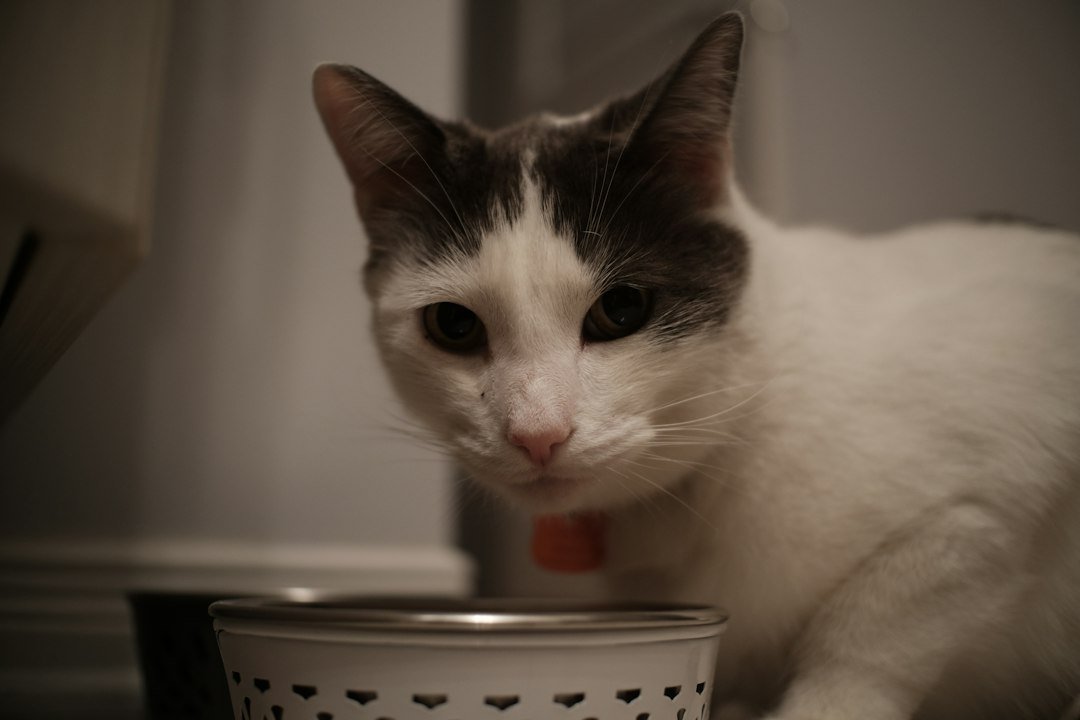
Featured image: illustrative stock photograph, not Ruby, Loki or Coco. Photo by Song Chen / Unsplash License. Resized for the web.
Three products can all say “tuna” and mean different things
| What you are holding | Can it be the main diet? | What to check |
|---|---|---|
| Human canned tuna | No | It is food for people, not a nutritionally complete feline diet. Do not turn it into a daily meal. |
| Tuna-flavoured cat food labelled “complete and balanced” | Potentially, yes | Confirm the nutritional adequacy statement and the intended life stage, then follow the feeding guide and any veterinary plan. |
| Cat treat or complementary tuna pouch | No | Count it within the treat allowance. “For supplemental or intermittent feeding” means it does not replace complete food. |
| Veterinary therapeutic diet containing tuna | Only as directed | Follow the veterinary team’s instructions rather than changing or adding fish on your own. |
The US Food and Drug Administration’s explanation of “complete and balanced” pet food says the nutritional adequacy statement identifies a food intended to provide a pet’s sole diet. Treats, snacks and supplements are typically not complete and balanced.
Why is human tuna different from tuna cat food?
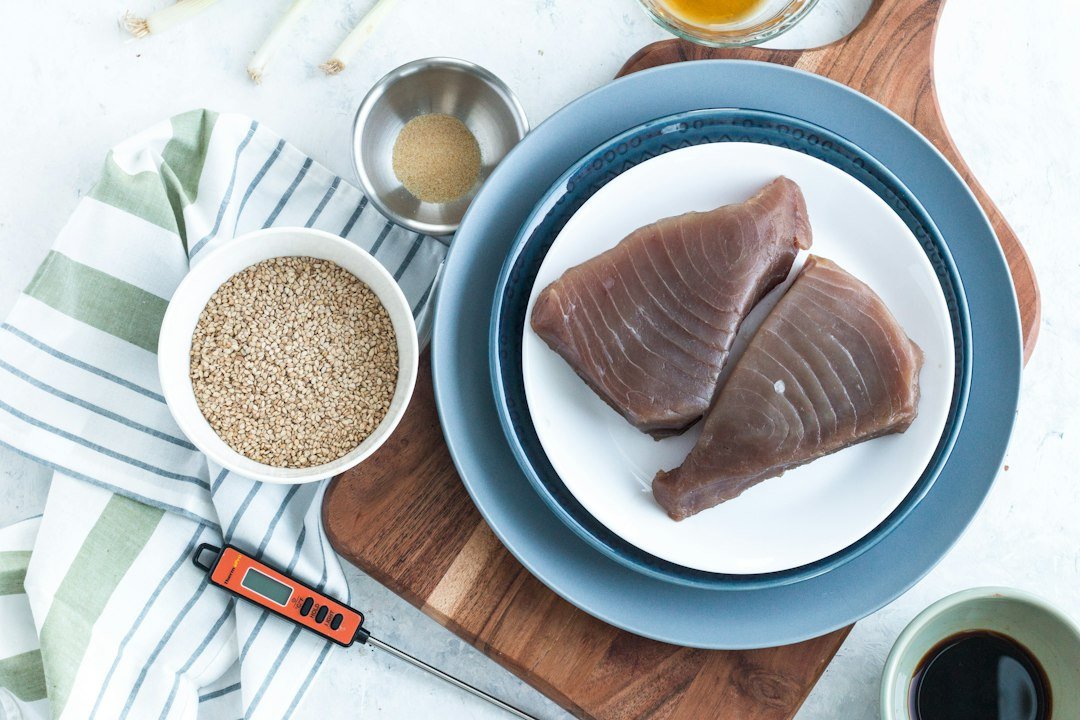
Cats need a specific balance of amino acids, fatty acids, vitamins and minerals. One familiar ingredient cannot provide that balance by itself. Cornell University College of Veterinary Medicine’s feeding guide recommends a complete and balanced diet and notes that some cats consuming canned fish products intended for people have developed potentially serious neurological disorders.
Cornell does not give a guaranteed safe daily amount of human tuna on that page. That uncertainty is a reason not to invent a household serving rule such as “one spoon every day.” If a small amount is used as an occasional treat for an individual cat, it still belongs in the treat budget and should not displace complete food.
A commercial cat food can also feature tuna while supplying the other nutrients required by its nutritional standard. The deciding evidence is the adequacy statement and life-stage wording, not whether tuna appears first in the product name. Our cat-food label comparison guide shows where to find those statements.
Use the back label, not the front picture
Read the package in this order:
- Find the species and life stage. A kitten, adult cat, pregnant cat and nursing cat do not all have identical nutritional needs.
- Find the nutritional adequacy statement. Look for language showing the food is complete and balanced for the relevant stage. The FDA explains that this claim must be supported by an AAFCO nutrient profile or an AAFCO feeding-trial procedure.
- Find the feeding purpose. Words such as treat, snack, topper, complementary, supplemental or intermittent indicate an extra rather than the sole diet.
Worked example—hypothetical, not a Ruby household product: Can A says “tuna entrée for adult cats” on the front and “complete and balanced for adult maintenance” in the adequacy statement. Pouch B says “tuna fillets” but also says “for supplemental or intermittent feeding only.” Can A may serve as an adult cat’s main food when it fits the individual feeding plan. Pouch B is counted as an extra even though its tuna pieces look more recognisable.
If tuna is a treat, give it a defined job
A treat can be used for a brief reward, enrichment or medication routine, but it should remain an extra. The WSAVA Nutrition Committee’s cat-treat guide recommends that treats provide less than 10% of daily calories and never replace a meal.
That limit applies to all extras combined, not to tuna alone. If a cat receives a tuna morsel, commercial treats and calorie-containing supplements on the same day, they share one budget. Our cat treat calorie-budget guide provides a worked calculation without pretending that one number suits every cat.
For a cat with kidney disease, food allergy, pancreatitis, obesity, a prescribed diet or another medical condition, ask the veterinary team before adding tuna. The word “fish” does not override an individual care plan.
Do not use tuna to force a food change
Strong-smelling tuna may get a cat’s attention, but repeatedly adding it can make it harder to know whether the underlying food, the topper or the changing ratio is driving acceptance. If you are switching complete foods, use a planned transition and record the amount of each food separately. Our separate-bowl food-transition guide explains that method.
If your cat refuses food, do not assume the answer is a more tempting tuna serving. Cornell’s feline anorexia guidance says a mature cat’s health can be severely affected when loss of appetite persists for as little as 24 hours, and it advises veterinary evaluation rather than treating food refusal as stubbornness.
When a symptom matters more than the menu
Sudden loss of balance, a changed gait, collapse, tremoring or seizure activity needs prompt veterinary attention. These signs have many possible causes and should not be diagnosed as “tuna poisoning” at home. Cornell’s neurological-disorders guide advises immediate veterinary assessment for noticeable balance or gait changes, while its emergency service lists loss of balance, collapse, weakness, seizures and active tremoring among emergent conditions.
Bring the package or a clear photo of its front and back labels to the clinic. Record what was eaten, the approximate amount and when, but do not delay care while trying to prove which ingredient caused the change.
A quick answer for the next can
- Human tuna: not an everyday cat meal.
- Complete and balanced tuna cat food: assess the life stage, feeding guide and individual veterinary needs.
- Tuna treat or complementary pouch: keep it within the combined treat allowance.
- Food refusal: call the veterinary clinic rather than building a tuna-only diet.
- Balance change, collapse, tremor or seizure: seek urgent veterinary help.
The practical distinction is simple: tuna describes an ingredient or flavour; “complete and balanced” describes a feeding role. Read both before deciding what belongs in the bowl.
Sources and further reading
- US FDA: “Complete and Balanced” Pet Food — nutritional adequacy statements and sole-diet claims.
- Cornell University College of Veterinary Medicine: Feeding Your Cat — balanced diets, treats and human canned fish.
- WSAVA Nutrition Committee: Feeding Treats to Your Cat — the under-10% treat-calorie limit.
- Cornell Feline Health Center: Anorexia — food refusal and veterinary evaluation.
- Cornell Feline Health Center: Neurological Disorders — balance and gait warning signs.
Sources checked November 16, 2026. This article offers general education and does not replace advice from your own veterinary team.