Most adult cats do not need milk, and water is the safer everyday drink. Many cats do not digest lactose well after weaning, so cow’s milk can lead to vomiting, diarrhoea or stomach discomfort. A cat-specific milk may contain less lactose, but it is still an optional, calorie-containing treat—not a substitute for fresh water or a complete diet.
This guide answers a narrow question: what should you put in the drinking bowl? It is general education, not a report that Ruby, Loki or Coco have tried any product.
Featured image: illustrative stock photograph, not Ruby, Loki or Coco. Photo by Quan Jing / Unsplash License. Resized for the web.
The short comparison: milk, cat milk or water?
| Drink | Everyday choice? | What to know |
|---|---|---|
| Fresh water | Yes | The default drink for a weaned cat. Keep it clean, accessible and refreshed. |
| Cow’s milk | No | Many cats are lactose-intolerant and may develop gastrointestinal problems. |
| “Cat milk” | Not needed | Usually lower in lactose or lactose-free, but it still adds calories. If offered at all, treat it as an occasional extra. |
| Kitten milk replacer | Only for a specific need | For an unweaned kitten when directed and prepared correctly—not an adult-cat beverage. |
The comparison follows current guidance from Cornell University College of Veterinary Medicine, which does not generally recommend milk as a treat because many cats are lactose-intolerant, and Cats Protection, which recommends water once a kitten is weaned.
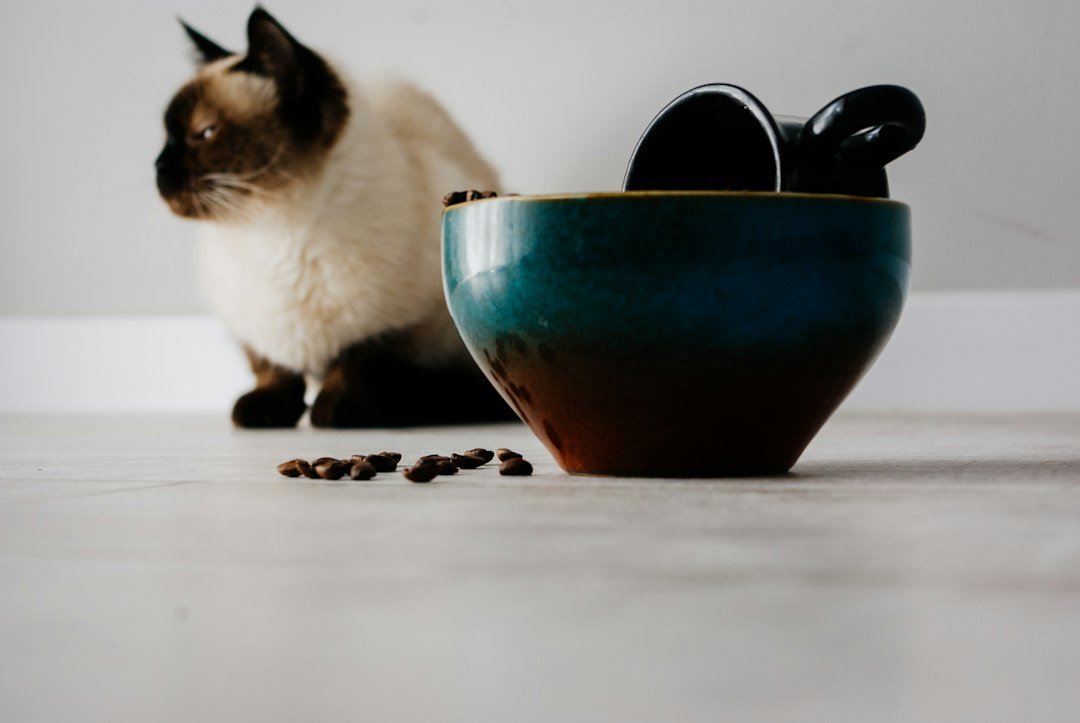
Why can milk upset an adult cat’s stomach?
Lactose is the sugar in milk. Cats need the enzyme lactase to digest it. Lactase activity decreases as kittens grow and are weaned, so a drink associated with kittens is not automatically suitable for an adult cat. The result varies by individual, but the possible signs include vomiting, diarrhoea and abdominal discomfort.
PDSA’s veterinary guidance on milk explains that most cats lack enough lactase to digest the lactose in cow’s milk. Cornell’s feeding guidance likewise notes that lactose-intolerant cats can develop gastrointestinal problems after dairy.
“My cat likes it” does not answer the digestive question. Preference tells you what a cat is willing to taste; it does not establish that the drink is necessary or well tolerated.
What if your cat already drank some milk?
Do not use a home taste test to find a “safe amount.” Remove the milk, make fresh water available and observe the cat rather than deliberately repeating the exposure.
| What you observe | Useful next step | What not to conclude |
|---|---|---|
| No obvious change after a small accidental sip | Return to water and continue normal observation. | This does not prove that a larger or repeated serving is safe. |
| Vomiting, diarrhoea, reduced appetite or unusual quietness | Contact your veterinary clinic for advice, especially if signs persist, worsen or involve a kitten, older cat or cat with a medical condition. | Do not diagnose lactose intolerance at home; similar signs can have other causes. |
| A kitten is not nursing or refuses feeds | Seek veterinary or experienced rescue guidance promptly. | Cow’s or goat’s milk is not a substitute kitten formula. |
Cats Protection’s digestive-disorders guide lists dairy intolerance as one possible cause of diarrhoea but also describes many other causes. That is why a symptom is a reason to ask for individual veterinary advice, not proof of a diagnosis.
Is lactose-free cat milk a good compromise?
It may be less likely than cow’s milk to cause a lactose-related upset, but “made for cats” does not mean “needed every day.” PDSA notes that cat milk can still be high in calories and adds no nutrient that a cat on a complete diet should be missing. Cats Protection similarly advises that specially formulated cat milk should be only an occasional treat and never replace water.
If your veterinary team says a particular product is appropriate, read the serving size and calorie information rather than pouring by eye. Count it within the day’s extras. The WSAVA Nutrition Committee’s cat-treat guide recommends that treats make up no more than 10% of a cat’s daily calories. Our cat treat calorie budget shows how to keep that limit visible without guessing.
For a cat on a veterinary diet, with food sensitivity, weight concerns or another health condition, ask the veterinary team before adding a milk-style treat. A product’s front label cannot account for an individual cat’s care plan.
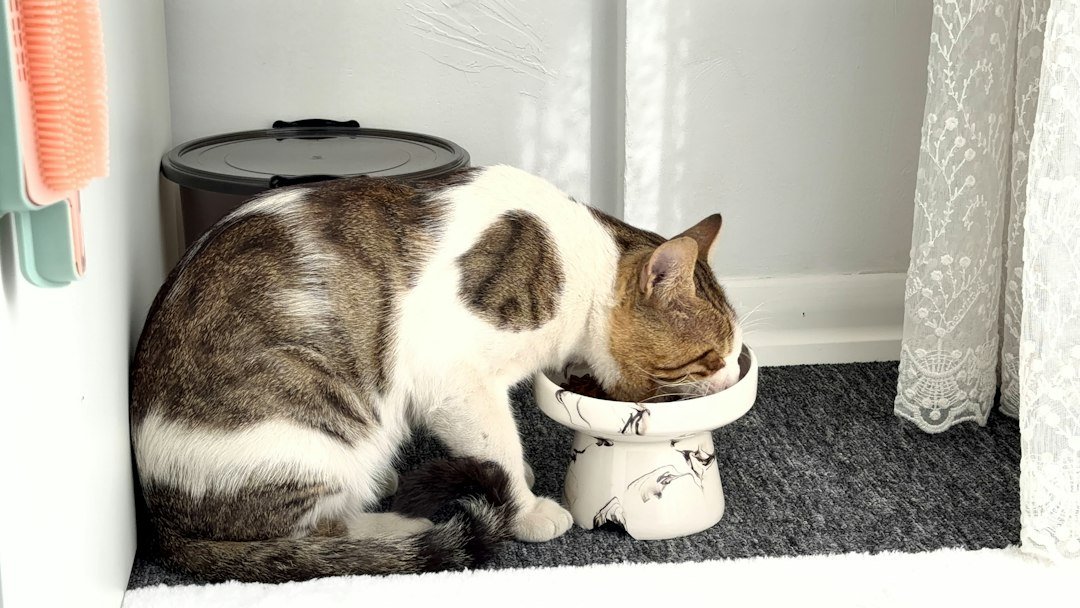
The kitten exception is specific—not a reason to use cow’s milk
Unweaned kittens need their mother’s milk or a correctly prepared kitten milk replacer. They have different nutritional and feeding needs from a weaned kitten or adult cat. Cats Protection’s hand-rearing guidance says to use substitute milk formulated specifically for kittens, obtain veterinary advice and never use cow’s or goat’s milk because kittens find them difficult to digest.
Hand-rearing also involves safe feeding technique, temperature, frequency, hygiene and toileting support. If a newborn kitten cannot nurse or refuses a feed, treat that as a prompt for urgent professional help rather than a kitchen substitution problem.
Make water the easy option
Replacing milk with water is simple, but the setup still matters. Keep more than one clean water point in a multi-cat home, refresh it regularly and notice which locations each cat actually uses. Do not assume that one shared bowl is equally convenient for everyone.
Our water-bowl cleaning and refill guide covers a practical daily routine. If you are changing the bowl material, location or fountain at the same time, change one variable at a time so you can see what affects drinking.
Hypothetical example—not an observation of Ruby: Cat A usually drinks from a ceramic bowl in the hallway. The owner removes a daily saucer of milk, keeps the familiar water bowl in place and records whether the cat visits it during the next several days. If drinking or appetite appears to change, the owner contacts the veterinary clinic instead of adding milk back as a test.
A one-minute decision before you pour
- Is this fresh water? Refill the clean bowl.
- Is this cow’s, goat’s or another household milk? Do not make it the cat’s drink.
- Is this a cat milk product? Check whether it fits the individual diet and treat-calorie limit; it is still optional.
- Is this for an unweaned kitten? Stop and obtain kitten-specific veterinary or rescue guidance.
- Has the cat developed digestive signs? Ask the veterinary clinic rather than experimenting with another serving.
The useful default is deliberately uncomplicated: a complete, age-appropriate diet and clean water. Milk is part of the familiar picture of a cat, but it does not need to be part of the bowl.
Sources and further reading
- Cornell University College of Veterinary Medicine: Feeding Your Cat — dairy intolerance and treat guidance.
- PDSA: Vet Q&A — Can cats drink milk? — lactose, digestive signs and why milk is unnecessary.
- Cats Protection: Cats and drinking — water for weaned kittens and adult cats.
- Cats Protection: Hand-rearing kittens — kitten milk replacer and feeding support.
- WSAVA Nutrition Committee: Feeding treats to your cat — the 10% treat-calorie limit and dairy caution.
Sources checked November 13, 2026. This article provides general education and does not replace advice from your own veterinary team.