Where does your cat choose to rest when the house is busy? A window ledge, a quiet corner and a covered bed serve different purposes. Before buying another cat bed, map the places your cat can already reach and the routes into and out of them. This checklist helps you make one useful adjustment at a time.
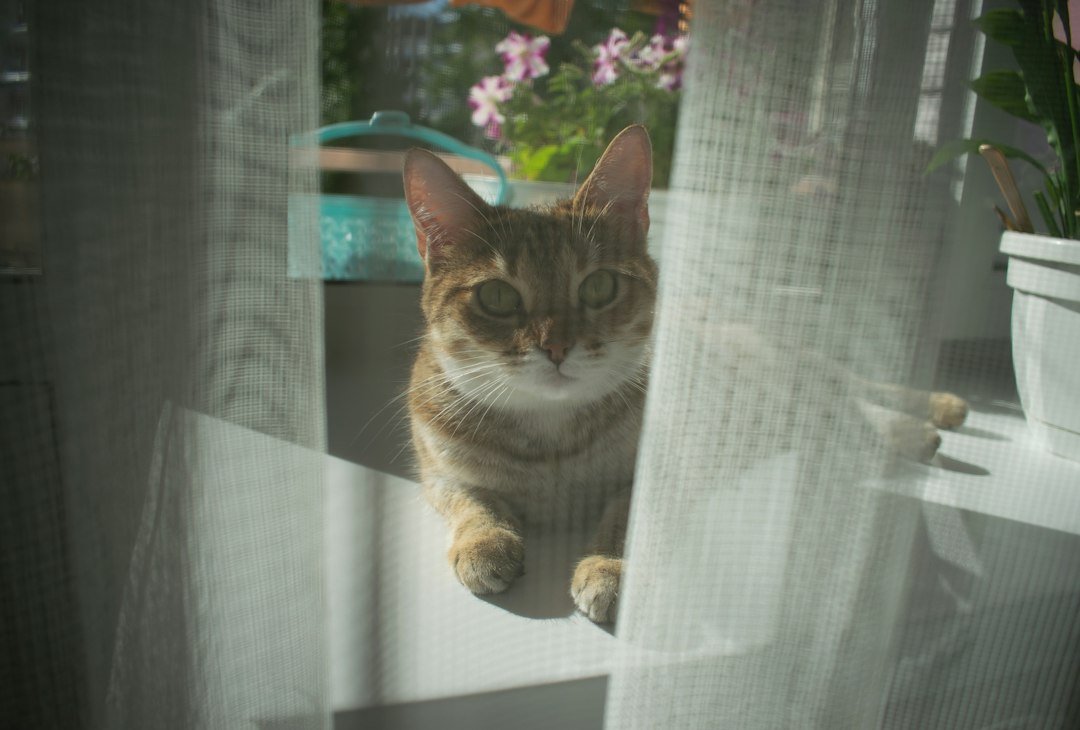
Begin with choice, not a new bed
Cat Friendly Homes explains that cats need safe places to retreat and resting areas, with options that let them feel protected. A cardboard box, familiar carrier or stable raised perch may serve a purpose even if it does not look like a conventional bed. Observe your cat’s choices before deciding what is missing.
A resting place does not need to be high to be useful. Keep a reachable quiet option as well as any raised perch. If your cat has trouble climbing or seems to avoid a previously favored spot, discuss the change with your veterinarian rather than assuming a new bed will fix it.
Walk the route a cat would take
Stand where your cat normally approaches a resting spot. Check the path, the landing surface and the way back down. Is a door regularly shut? Does another pet block the only exit? Does the surface wobble? A shelf that looks inviting in a photograph may be awkward in the household’s normal routine.
- Access: Can this cat get there comfortably today?
- Exit: Can the cat leave without being cornered by a person or another pet?
- Quiet: Does the spot allow an uninterrupted rest away from household traffic?
- Stability: Is the bed, box or perch secure and suitable for its intended use?
- Choice: Is there another accessible option in a separate part of the home?
The Cat Friendly Homes guide to home modifications emphasizes access to raised places over height itself. Treat the list above as a practical inspection, not a score of your cat’s happiness.
Keep options apart in a multi-cat home
Two beds side by side do not necessarily offer two independent retreats. The FelineVMA’s environmental guidance calls for safe places separated so cats can choose to be alone, and for key resources to be spread out. Place resting choices in different locations and watch whether every cat can enter and leave without being intercepted.
Record which cat uses each spot, but do not label a spot permanently assigned. Our multi-cat home checklist helps you inspect access to other everyday resources. If your home has one cat, separate options still give that cat a choice between a view and privacy.
Make a simple resting-place map
Use this worksheet on your phone or paper. Write what you actually observe during ordinary days; do not move a resting cat to test a new location.
| Place | What to note |
|---|---|
| Existing spot | Exact location and the cat observed using it |
| Route | How the cat reaches it and leaves it |
| Setting | Quiet, busy, exposed or partly enclosed |
| Access issue | Closed door, blocked path, unstable surface or none observed |
| One change | A safer route, a separated alternative or a relocated familiar bed |
| Follow-up | Date and what the cat chose; “not observed” is acceptable |
Illustrative example, not an observation of Ruby: One cat rests in a box by the sofa but leaves whenever visitors arrive. Instead of replacing the box, try a second familiar hiding option in a quiet room. Note whether the cat chooses either spot when it can enter and leave freely.
Review one change at a time
After moving a bed or adding a box, leave the cat free to choose. Avoid changing every resting place at once; keeping familiar options makes the new arrangement easier to assess. Our cat-friendly home check covers the wider routes around food, play and rest.
If a cat suddenly changes its resting habits, appears uncomfortable or has trouble reaching familiar places, contact your veterinarian. This household worksheet helps you describe what changed; it cannot identify a medical cause.
Sources and method
Cat Friendly Homes: What Your Cat Needs to Feel Secure and Home Modifications for Your Cat, checked 23 September 2026. The route check and note sheet are original Ruby Cat Life editorial aids. No product was tested, and the photograph is illustrative.