A litter-box routine is more than a cleaning job. It is also a brief daily check of what is normal for your cat. A clean tray is easier for a cat to use, and a consistent scoop-and-observe habit can make changes in urination, stool, or box use easier to notice and describe to your veterinarian.
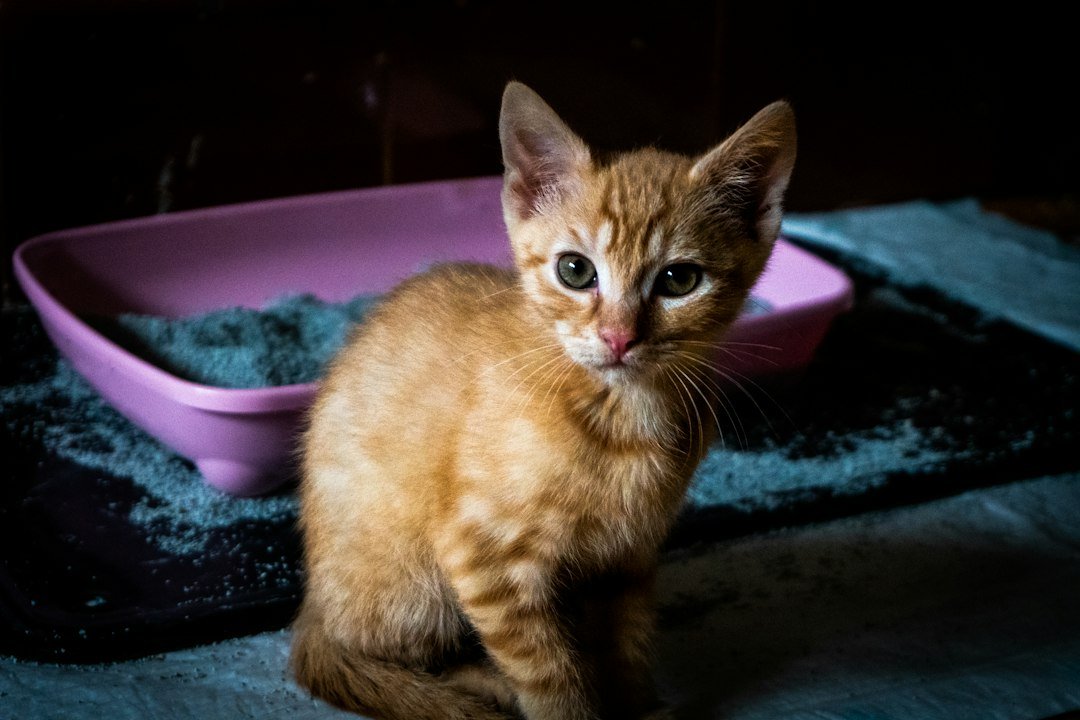
The daily scoop-and-observe routine
Cat Friendly Homes, a resource created by the Feline Veterinary Medical Association, recommends removing waste at least once a day and adding litter as needed. Choose a regular time so the task is easy to remember and your observations are easier to compare from day to day.
- Look before scooping. Notice where the waste is, whether the litter has been heavily scattered, and whether anything looks different from the last cleaning.
- Remove feces and urine clumps. Scoop carefully so usable litter remains in the tray.
- Check the remaining depth. Add the same familiar litter when needed rather than making sudden changes during a normal refill.
- Wipe obvious mess around the tray. Keep the approach clear and dry without using a strong fragrance to cover odors.
- Record only useful changes. A quick note is enough; there is no need to measure every clump when the pattern looks normal.
- Wash your hands. Treat litter-box cleanup as routine hygiene.
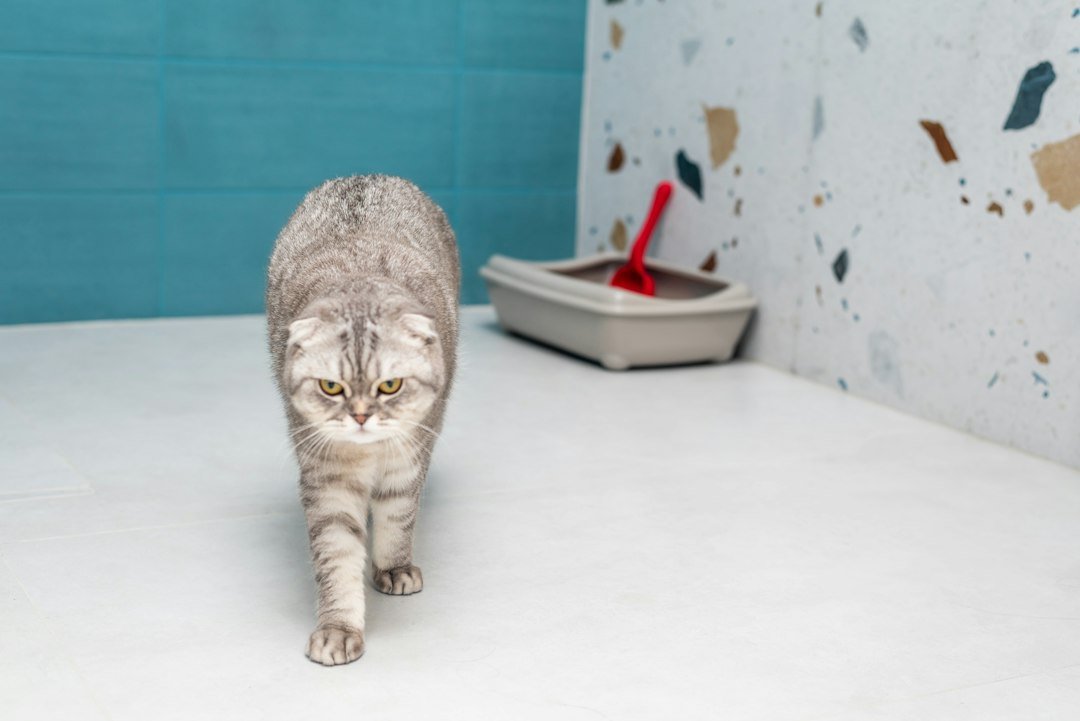
What to notice without trying to diagnose
The aim is to learn your cat’s usual pattern, not to label a medical problem at home. During the daily scoop, note whether the number or size of urine clumps seems clearly different, whether stool frequency or consistency has changed, or whether your cat has started avoiding the box. If a change continues or concerns you, share the observation with your veterinary team.
Contact a veterinarian promptly for concerning changes
Cornell University’s Feline Health Center lists repeated attempts to urinate, painful or difficult urination, crying while urinating, blood in the urine, and urinating outside the box among possible lower urinary tract signs. A cat that repeatedly tries to urinate but produces little or no urine may have a urethral obstruction, which Cornell describes as a medical emergency requiring immediate veterinary care. Do not wait for the next day’s log if you see these signs.
Keep the tray easy to use
- Protect the route: Make sure a closed door, stored object, or another pet cannot block access. Our cat-friendly home route checklist can help you inspect the path.
- Protect privacy without creating a trap: A quiet location is useful, but the cat should still be able to enter and leave comfortably.
- Keep food and water separate: Cat Friendly Homes advises against placing food and water close to the litter box.
- Respect individual preferences: If you need to change the box, litter, or location, make the change carefully and watch how your cat responds.
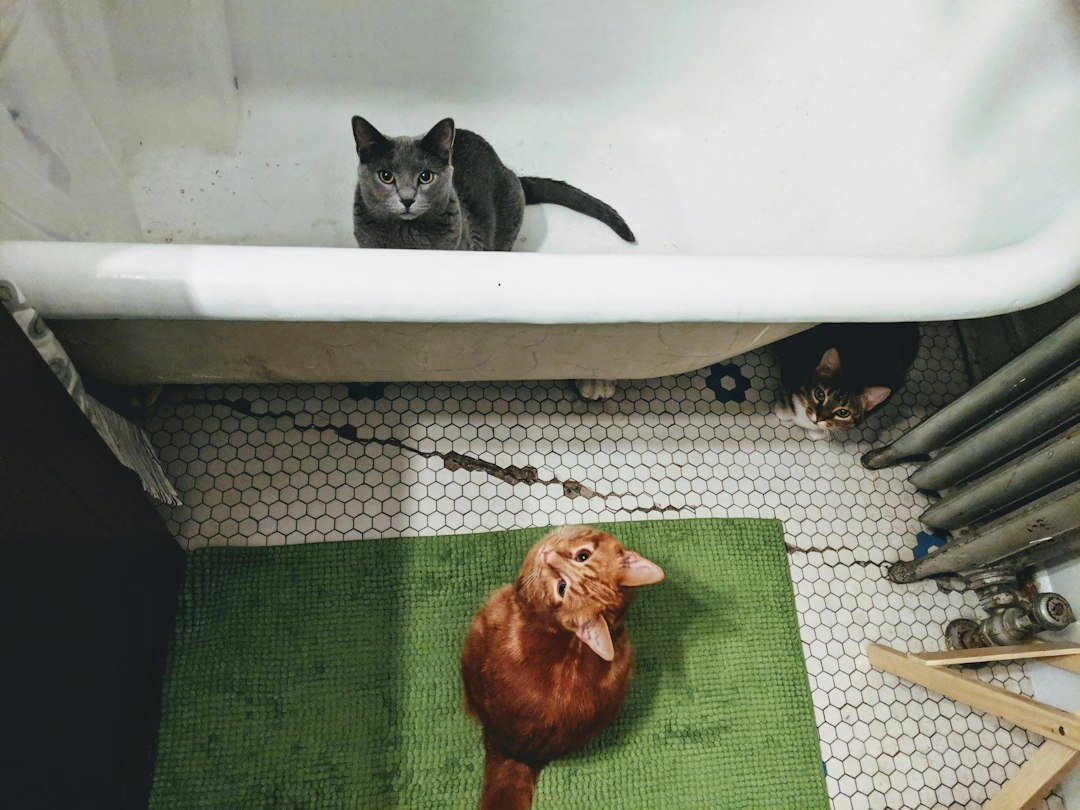
A note for multi-cat homes
Shared boxes make it harder to know which cat produced a particular clump or stool. Do not guess. Record the household total unless you directly saw which cat used the tray. If you need a broader resource map, use our multi-cat home checklist. Cat Friendly Homes generally recommends one litter box for each cat plus one additional box, placed in separate, accessible locations rather than grouped as a single station.
A seven-day litter-box log
Use one short line per cleaning. The log is meant to reveal a pattern, not create a perfect record.
- Date and time: __________
- Box cleaned: __________
- Urine clumps: usual / clearly more / clearly fewer / unsure
- Stool: usual / softer / harder / absent / unsure
- Box use or approach: usual / hesitant / avoided / not observed
- Other useful note: __________
If the pattern is normal, the log can stop after a week. If something changes, bring the dated notes—and a photo if your veterinarian requests one—to the appointment. The goal is simple: a clean, accessible tray and a clearer picture of your cat’s everyday routine.
Sources and further reading
- Cat Friendly Homes: Everything You Should Know About Litter Boxes — daily maintenance, location, access, litter choice, and box numbers.
- Cat Friendly Homes: What Is Normal for Your Cat? — using routine litter-box observations to recognize changes.
- Cornell Feline Health Center: Feline Lower Urinary Tract Disease — urinary warning signs and emergency guidance.
- Unsplash License — permits free commercial and non-commercial use of the photographs credited above; attribution is provided.