Short answer: true lilies and daylilies are not safe around cats. Do not rely on a high shelf or a closed room. Remove the entire bouquet or plant—including fallen pollen and vase water—and treat any possible exposure as a reason to call a veterinarian immediately.
The danger is not limited to a cat chewing a flower. The U.S. Food and Drug Administration’s lily warning says that leaves, petals, stems, pollen and water from a vase containing true lilies or daylilies can all expose a cat. A few pollen grains licked from the coat or a small drink from the vase can lead to fatal kidney failure. Early veterinary treatment matters, so this is not a “watch and wait” situation.
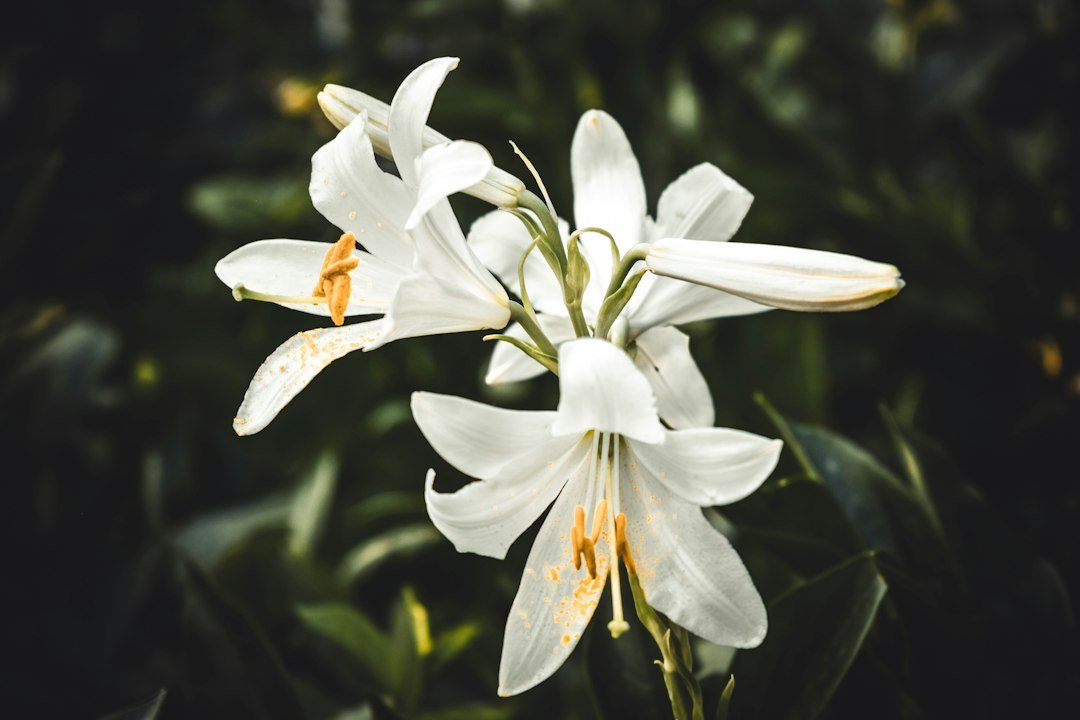
A cat does not have to bite the flower
A bouquet can create several exposure routes at once. This is why “my cat never eats plants” is not a reliable safety control. Cats Protection’s poisonous-plants guidance notes that a cat may brush against a lily, collect pollen on the coat and swallow it later while grooming.
| What is present | How exposure can happen | Decision |
|---|---|---|
| Flower, leaf or stem | The cat bites, licks or carries a fallen piece | Keep true lilies and daylilies out of the home |
| Pollen | It falls on fur, paws, a table or the floor and is swallowed during grooming | Do not simply remove the visible flower and leave the area uncleaned |
| Vase water | The cat drinks from the vase or a spill | Remove the vase and clean spills promptly |
| Old bouquet | Ageing flowers drop more pollen, petals and leaves | Do not wait until the bouquet wilts to remove it |
| Garden plant | An outdoor cat contacts or chews the plant | Avoid true lilies and daylilies in cat-accessible gardens |
The word “lily” is not a diagnosis
Common plant names are confusing. The kidney-danger group includes true lilies in the Lilium genus and daylilies in the Hemerocallis genus. The FDA lists examples such as Asiatic, Easter, Oriental, Stargazer, tiger and Japanese show lilies, plus daylilies.
Other plants with “lily” in the name can cause different problems. Peace lilies and calla lilies contain irritating calcium oxalate crystals rather than the same kidney-damaging lily toxin; lily of the valley can affect the heart. “Not a true lily” therefore does not mean “safe.” The ASPCA Poison Control comparison of lily names explains these different risk patterns.
| Label or name | What the name tells you | Practical response |
|---|---|---|
| Lilium species | True lily; severe kidney risk for cats | Keep out of the home; suspected exposure is urgent |
| Hemerocallis species | Daylily; severe kidney risk for cats | Keep out of the home; suspected exposure is urgent |
| Peace lily or calla lily | Not the same kidney toxin, but still toxic and irritating | Keep away from cats and call a vet if exposure occurs |
| Lily of the valley | Different plant with potentially serious heart effects | Keep away and treat exposure as urgent |
| No label or uncertain identification | You do not have enough information to declare it safe | Isolate the bouquet from cats and ask a veterinarian or poison service |
If a bouquet arrives, make one clear decision
Check the florist’s label or order description before bringing the bouquet into the cat’s living area. If every stem cannot be identified, place the entire arrangement where no cat can enter while you confirm the contents. A photograph can help a florist or veterinarian, but it should not be your only identification method.
If the arrangement contains a true lily or daylily, the lowest-risk decision is to remove the whole arrangement from the home—not just snip off the stamens. Pollen may already be on leaves, packaging, furniture or the floor, and the vase water remains part of the exposure route. Secure the discarded material so no cat can reach it, and clean the surface and any spill.
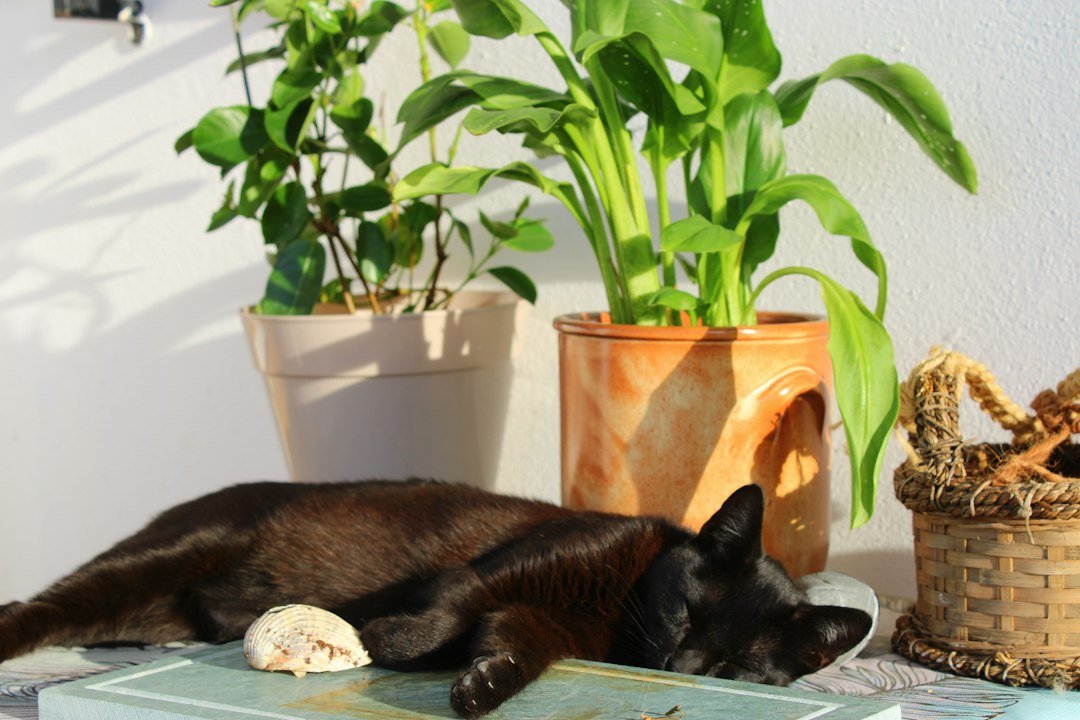
Possible exposure: call before symptoms appear
If you think a cat chewed a lily, drank vase water, stepped in pollen or may have licked pollen from the coat, call a veterinarian or animal poison service immediately. Do not wait for vomiting, reduced appetite or lethargy. The FDA and Cornell Feline Health Center’s household-hazard guidance both stress prompt veterinary consultation for suspected poisoning.
Tell the clinic what happened, when it may have happened and whether the cat could have contacted a flower, pollen or water. Bring the plant label, florist information or a clear photo if doing so does not delay leaving. Do not induce vomiting or give a home remedy unless a veterinarian or poison specialist specifically instructs you; Cornell warns that making an animal vomit can worsen some poison exposures.
| What you observe | What to do now | What not to assume |
|---|---|---|
| Pollen visible on fur or paws | Prevent further access and call a veterinarian immediately for decontamination instructions | Do not assume brushing it off removed what was already swallowed |
| Cat drank from a lily vase | Call immediately and identify the bouquet | Do not assume clear water is harmless |
| Chewed petal, leaf or stem | Call immediately; take the label or plant photo | Do not wait to calculate whether the piece looked “small” |
| Unknown bouquet, possible contact | Isolate the bouquet and call with all available details | Do not rely on a phone photo alone to rule out a toxic species |
| No witnessed contact, but lily pollen or pieces are in a cat-accessible area | Account for each cat and ask a veterinarian how to handle the possible exposure | Do not assume the quietest cat stayed away |
A completed example: the unknown bouquet
This example is hypothetical. It is not an incident involving Ruby, Loki or Coco.
A mixed bouquet arrives with no stem list. The owner places it in a closed room before unwrapping it and photographs the florist label. The florist confirms that the bouquet contains Oriental lilies. The owner removes the sealed bouquet from the home, checks the wrapping and floor for loose pollen or plant pieces, and cleans the surface. Because all cats were kept out of the room and no exposure occurred, the task ends with prevention rather than treatment.
Change one fact and the decision changes: if a cat had entered the room, brushed the flowers or reached the vase water, the next step would be an immediate veterinary call—even if the cat looked normal. The useful record is concrete: which cat, which room, what part of the arrangement, and the earliest and latest possible time of contact.
In a multi-cat home, account for each cat
One cat sitting in another room does not prove the others had the same access. Check each cat separately and report uncertainty honestly to the clinic. Our multi-cat household guide uses the same principle for everyday resources: count individual routes and observations, not just the number of objects in the home.
For a broader room-by-room review, use the cat-friendly home checklist. Add a simple flower rule near the entryway: no bouquet enters the shared space until every stem is identified. That rule is easier to follow than trying to remember which shelf a determined cat cannot reach.
The one action to take today
Look at every bouquet, potted flowering plant and garden bed your cat can reach. If a true lily or daylily is present, remove it from cat access completely. If you cannot identify a plant, do not guess from color or shape—keep it isolated while you confirm the botanical name. And if exposure may already have happened, stop inspecting and call a veterinarian.
Sources and further reading
- U.S. FDA: Lovely Lilies and Curious Cats — toxic plant parts, pollen, vase water, signs and urgent response.
- Cornell Feline Health Center: Common Cat Hazards — household poison response and the warning not to induce vomiting without direction.
- ASPCA Animal Poison Control: Which Lilies Are Toxic to Pets? — differences among true lilies, daylilies and other “lily” names.
- Cats Protection: Plants Poisonous to Cats — pollen-on-fur exposure and prevention guidance.
Source pages were checked on 20 November 2026. This owner-facing educational guide was not presented as veterinary review and does not replace urgent advice for an individual cat.
Featured photograph: illustrative stock photo; not Ruby, Loki or Coco. The flower species has not been verified. Photo by Asal Mshk on Unsplash, used under the Unsplash License.