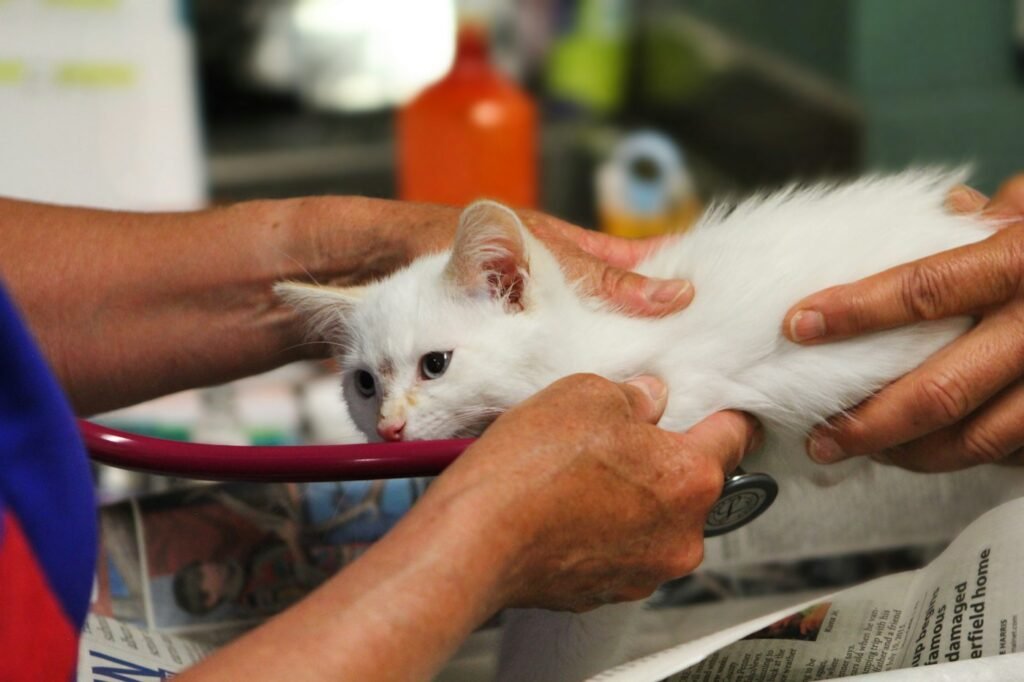
Short answer: yes, many adult cats can learn to accept tooth brushing—but the first goal is not a perfect 30-second scrub. It is a calm, repeatable routine that begins with comfortable face touch and stops before fear or pain. If the mouth already looks sore or eating has changed, arrange a veterinary examination before trying to brush.
The Cornell Feline Health Center describes tooth brushing as the best way to regularly remove plaque and offers a four-week introduction. It also warns that brushing severe gingivitis can be painful and that only toothpaste or gel made for cats should be used. This guide turns those points into a practical decision process for an adult cat.
First decide: practice at home or call the vet?
Do not use a toothbrush to investigate a painful mouth. Cornell lists red or swollen gums, bleeding at the gumline, drooling, bad breath, reluctance to eat, stopping food, and turning the head unusually while eating among possible dental-disease signs. Tooth resorption and advanced gum disease cannot be diagnosed from a home glance alone.
| What you observe | What to do next |
|---|---|
| Normal eating, no obvious gum redness, and relaxed face touch | Begin a gradual home introduction and keep sessions brief. |
| Mild uncertainty but no pain signs | Stay at the current step; reward calm investigation rather than advancing by the calendar. |
| Red, swollen, or bleeding gums; drooling; persistent bad breath | Pause brushing and arrange a veterinary dental assessment. |
| Sudden reluctance to eat, dropping food, head-turning while chewing, or stopping food | Contact a veterinarian promptly instead of assuming this is a training problem. |
| Hissing, striking, fleeing, or escalating restraint during practice | End the session, return to an easier step later, and ask the veterinary team for an individualized plan if handling remains unsafe. |
What you actually need
- A cat toothbrush or another veterinary-recommended brush sized for your cat.
- Toothpaste or dental gel labelled for cats. Human toothpaste is not safe for cats.
- A small, predictable reward your cat already values.
- A quiet location where the cat can leave instead of being cornered.
- A simple note on what the cat accepted and where the session stopped.
The American Veterinary Medical Association says daily brushing is best, while acknowledging that cats may need patience and training. It also advises discussing dental products, treats, and dental diets with a veterinarian because not every marketed product is effective. A product claim is not a substitute for an oral examination.
A four-stage introduction, led by tolerance
Cornell presents this as a four-week program. Treat “week” as a suggested pace, not a deadline. A cautious adult cat may need longer at one stage, and a session that ends calmly is more useful than one that reaches the toothbrush by force.
| Stage | One small task | Ready to progress when… | Step back when… |
|---|---|---|---|
| 1. Toothpaste familiarity | Place the closed brush and cat toothpaste nearby. Offer a tiny taste from a finger, then reward. | The cat voluntarily sniffs or licks without backing away. | The cat avoids the area or becomes tense when the product appears. |
| 2. Brief tooth touch | Lift the lip only as far as comfortable and touch a tiny dab of cat toothpaste to one canine tooth. | The cat remains loose-bodied and returns for the reward. | The cat jerks away, clamps the mouth, paws at your hand, or shows escalating tension. |
| 3. Brush familiarity | Let the cat inspect and lick a small amount of paste from the brush. | The brush predicts a calm, familiar event rather than restraint. | The cat will take paste from a finger but avoids the brush; return to easier exposure. |
| 4. Gentle brushing | Gently lift the lip and place the bristles at the gumline. Brush only the outside surfaces with light, brief movements. | You can touch a few teeth without holding the cat in place. | The cat shows pain, panic, or a worsening response across sessions. |
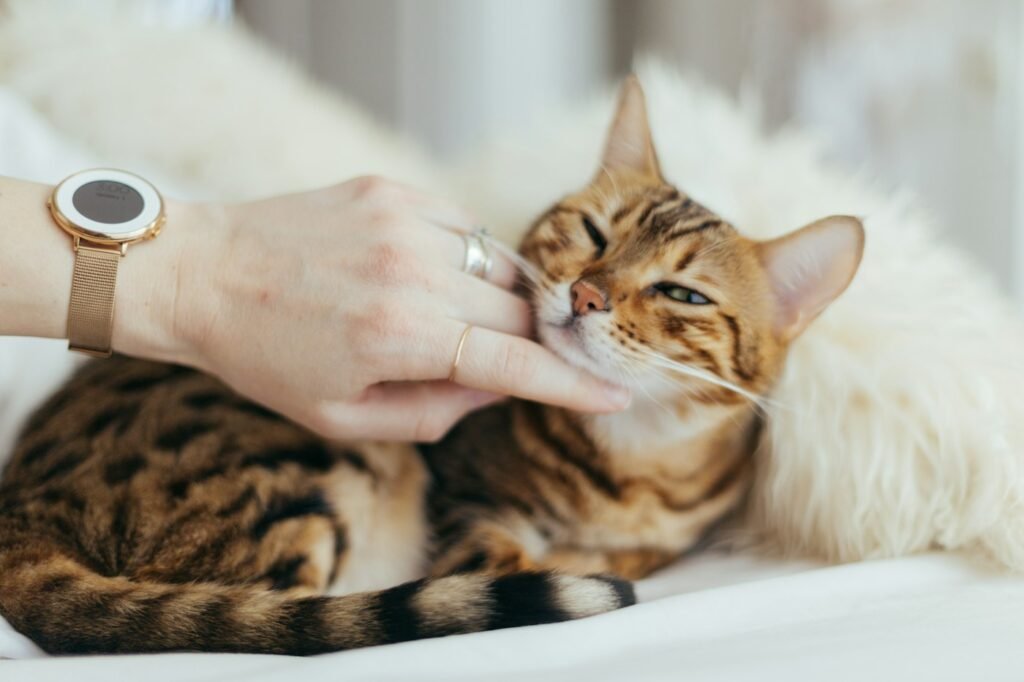
Cornell’s technique focuses on the outside surfaces: gently stretch the lips rather than forcing the mouth open, angle the bristles toward the narrow area between teeth and gums, and work gradually around the teeth. The tongue helps clean the inner surfaces. If you are unsure about pressure, brush size, or your cat’s gum condition, ask the veterinary team to demonstrate.
Completed example: what a slow first week can look like
Hypothetical example—not Ruby, Loki, or Coco: an adult cat accepts chin scratches but has never seen dental gel. The owner chooses one short attempt each evening before a familiar reward.
| Day | What happened | Decision |
|---|---|---|
| 1 | The cat sniffed the closed tube, then walked away. | Stop there; no lip lifting. |
| 2 | The cat sniffed the tube and stayed for the reward. | Repeat the same easy step. |
| 3 | The cat licked a pinhead-sized taste of cat toothpaste from a finger. | End on success. |
| 4 | The cat accepted the taste but turned away when the hand moved toward the cheek. | Do not chase; separate tasting from face touch again. |
| 5 | The cat accepted one second of cheek touch after tasting. | Repeat; do not add the brush. |
| 6 | The cat stayed relaxed during a brief lip touch. | Reward and stop before lifting the lip. |
| 7 | The cat repeated the calm lip touch twice. | Next week may begin with a very small lip lift if comfort continues. |
This example does not “fall behind” because no tooth was brushed. It creates a useful baseline: the owner knows which touch is comfortable and which movement predicts withdrawal. The same principle appears in our gentle paw-handling guide and carrier-training progress guide: record the response, change one thing at a time, and protect the cat’s option to disengage.
Do not confuse tolerance with a clean bill of dental health
A cat may allow brushing and still have disease below the gumline or painful tooth resorption. Cornell notes that a complete evaluation of periodontitis can require gum probing and dental X-rays under anesthesia. Home care removes plaque from reachable surfaces; it does not diagnose hidden disease or replace professional dental treatment.
Likewise, visible tartar should not be scraped off at home. Ask a veterinarian what examination and cleaning are appropriate. If brushing has been comfortable but your cat suddenly resists, treat the behavior change as information: pause and check for pain rather than increasing restraint.
The practical bottom line
Adult cats are not “too old to learn,” but a successful routine starts before the toothbrush reaches the teeth. Screen for pain, use only cat-specific toothpaste, introduce each part separately, and let repeated calm responses—not the calendar—decide when to advance. Daily brushing may be the goal; safe cooperation is the route to it.
Sources and further reading
- Cornell Feline Health Center: Feline Dental Disease—signs, prevention, and four-week brushing introduction.
- Cornell Feline Health Center: Bad Breath—Sign of Illness?—gentle lip handling, outside tooth surfaces, and when persistent bad breath needs examination.
- American Veterinary Medical Association: Pet Dental Care—home brushing, dental examinations, and product guidance.
Sources checked October 9, 2026. This article provides general owner education and has not been individually reviewed by a veterinarian.